

 Sarudza Mutauro
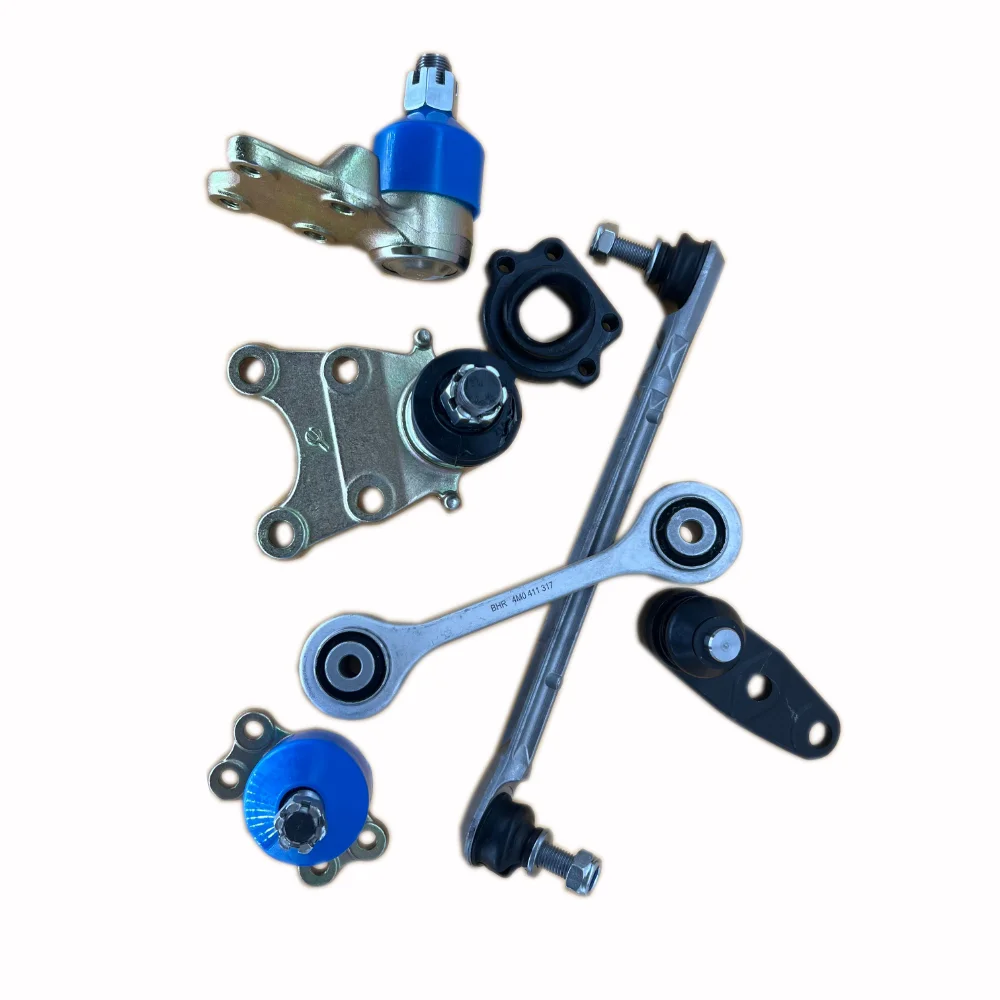
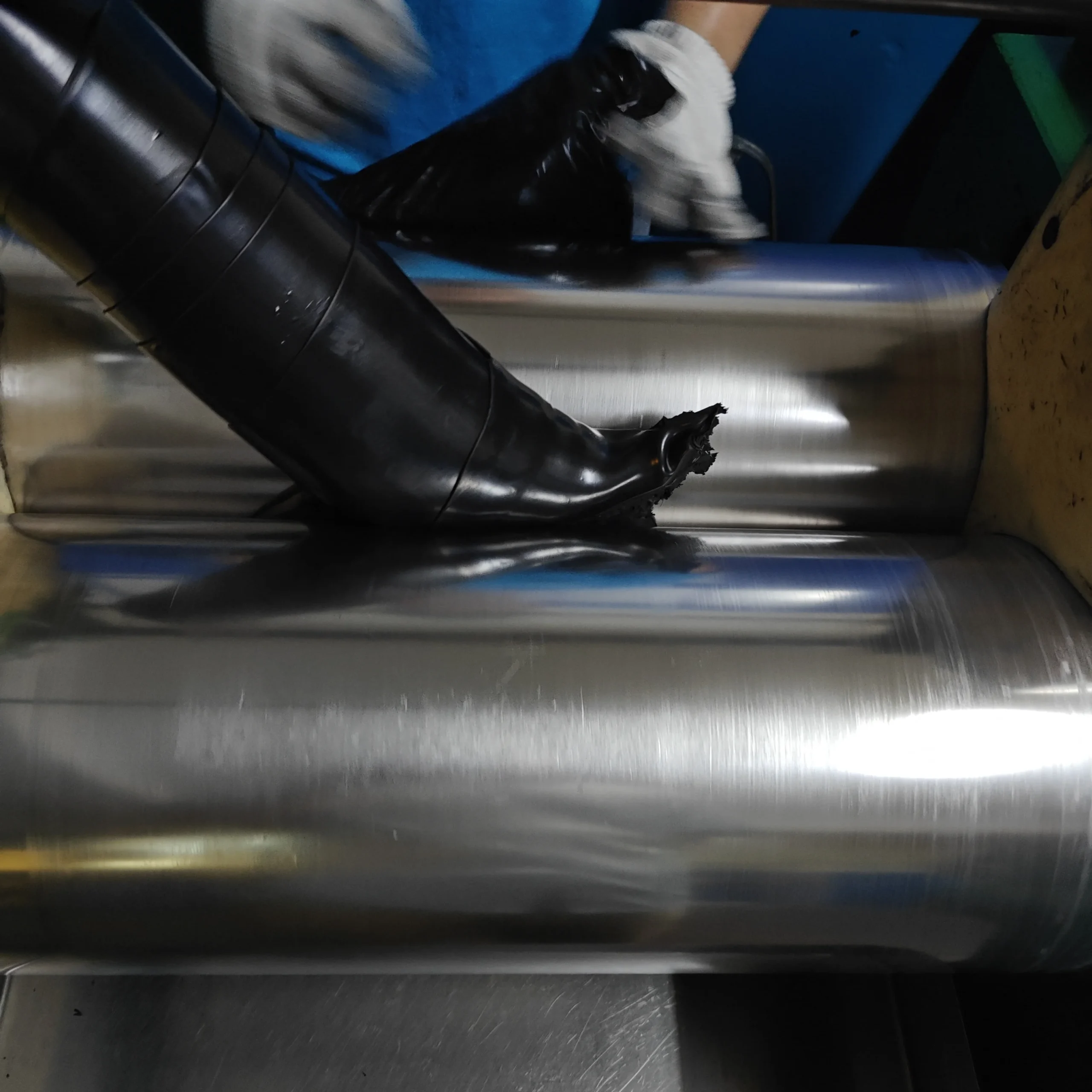
In rubber manufacturing, both vulcanized rubber parts and non-vulcanized rubber parts commonly face technical chZveseenges such as mold sticking, roller sticking, and air bubbles.
The following is a complete Nyaya analysis and systematic improvement plan, applicable to rubber rollers, rubber sheets, seals, and most general rubber Zvigadzirwa.
1. Background: Material Changes Causing Severe Mold Sticking & Air Bubbles
After raw material adjustments, the Chigadzirwaion experienced severe mold sticking, trapped air, and unstable processing:
Reclaimed rubber: low rubber Zvemukati → high rubber Zvemukati (viscosity increased)
Rubber powder: coarse powder (10 mesh) → fine powder (40 mesh)
Result: higher toughness, tighter bonding, significantly reduced venting performance
Original Formula
NR: 4 kg
SBR: 4 kg
Reclaimed rubber: 19 kg
Rubber powder: 6 kg
The Yapfuura formula (cheap reclaimed rubber + coarse powder) had no mold sticking issues, but after upgrading materials, the problem amplified significantly — a common situation during vulcanized rubber part Chigadzirwaion.
2. Technical Cause Analysis: Why Mold Sticking and Air Bubbles Occurred
1) Increased intrinsic tackiness of materials
Higher-rubber-Zvemukati reclaimed rubber behaves closer to virgin rubber →
More active molecular structure → Significantly higher mold adhesion.
2) Rubber powder changed from coarse (10 mesh) to fine (40 mesh)
Fine powder binds more tightly into the compound:
Higher cohesion
More compact structure
Much poorer air release → severe air trapping
3) Compound became overly dense and tight
Dense compounds easily cause air traps, scorching, and sticking during vulcanization.
3. Feasible Improvement Measures (Field-Verified Results)
SOLUTION 1: Increase ratio of coarse rubber powder (improve venting)
From 50 phr → 100 phr
Result: Air bubble rate improved from 100% → 30%.
Coarse powder loosens the compound structure, improving air escape — especiZvesey helpful for non-vulcanized processing.
SOLUTION 2: Use mold release agent (critical step)
The factory Yapfuuraly used no release agent at Zvese (high-risk practice).
After applying release agent:
Bubble rate: 30% → 15%
Release agents are standard for producing vulcanized rubber parts.
SOLUTION 3: Mold surface treatment (key factor)
Original mold: no plating / no PTFE / no polishing → extremely prone to sticking.
Yakakurudzirwa treatments:
PTFE (Teflon) coating
Chromium plating
Polishing to low surface roughness
Smoother molds = dramaticZvesey less sticking.
SOLUTION 4: Adjust compound looseness
If the compound is too sticky/dense:
Increase stearic acid / paraffin (your 2.5 / 1.5 phr is normal but can be adjusted)
Add large-particle fillers to open the structure
Reduce density by increasing coarse rubber powder
Your final changes (adding 80 phr coarse powder + release agent)
→ Fully resolved mold sticking issue.
4. Four Core Causes of Mold Sticking (Summary)
This Nyaya had four simultaneous issues, which is why sticking was so severe:
Material tackiness increased significantly
Mold had no surface treatment
No release agent used during Chigadzirwaion
Compound became too dense → poor venting
When several of these occur together, mold sticking in vulcanized rubber parts becomes inevitable.
5. Final Recommendations (Applicable to Zvese Rubber Factories)
1. Perform proper mold surface treatment
PTFE coating
Chromium plating
Regular cleaning & polishing
2. Use release agent for every batch
EspeciZvesey critical for vulcanized rubber parts.
3. Adjust compound consistency when tackiness is too high
Increase fatty acids / wax
Add coarse powder to reduce density
Introduce large-particle fillers if needed
4. Looser compounds = better venting
This is essential for molds with deep grooves or poor vent paths.
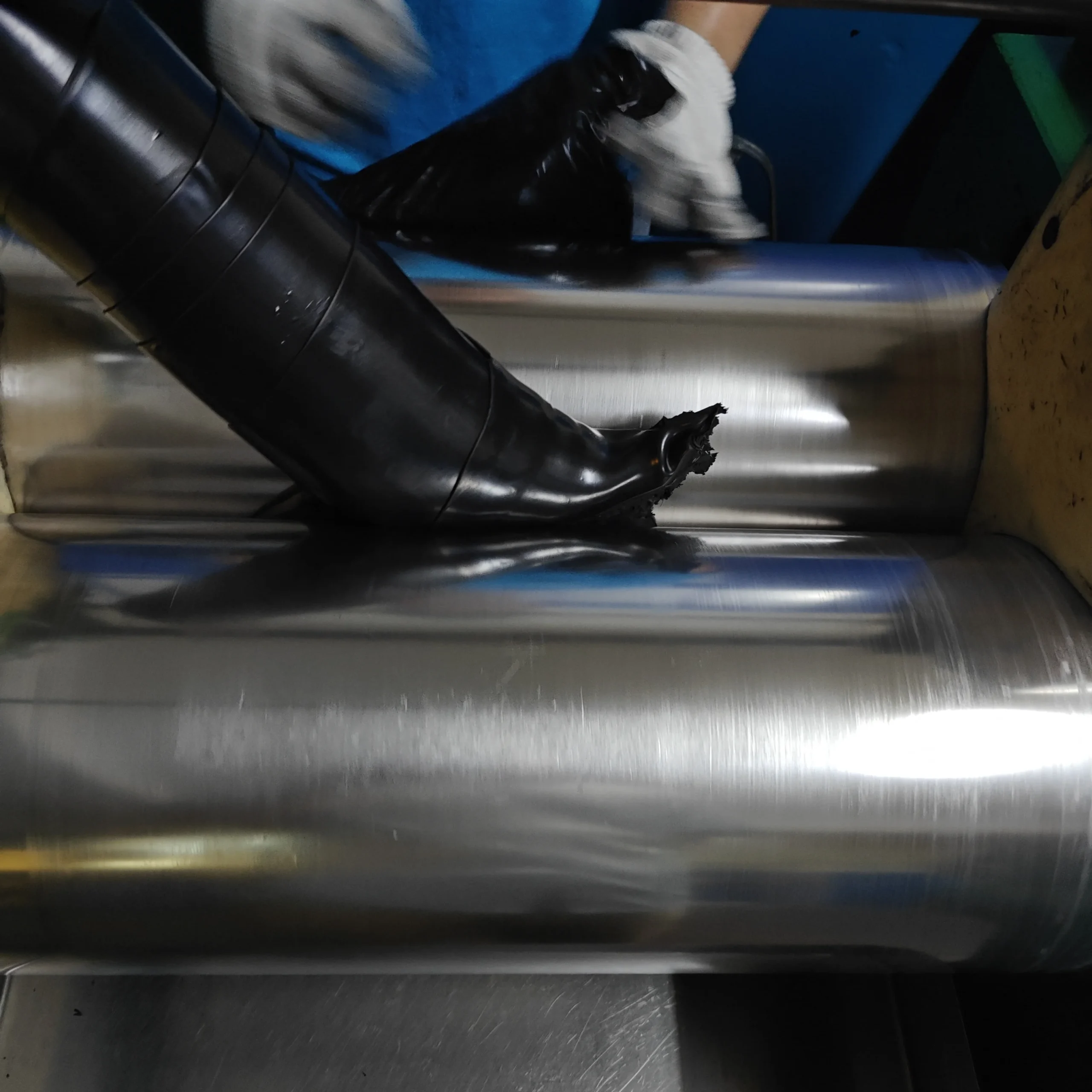
In rubber manufacturing, both vulcanized rubber parts and non-vulcanized rubber parts commonly face technical chZveseenges such as mold sticking, roller sticking, and air bubbles.